AWE Newsletter March 2026 |
| Love the AWE Newsletter? |
| Forward it to your friends and colleagues and encourage them |
| to sign up to AWE – membership is free! |
AWE News |
| AWE Scholarships are back for 2026! |
|

| Foundations in Disaster Recovery Scholarships – The University of Melbourne |
| Person-Centred Emergency Planning Certificate Scholarships – The University of Sydney |
| Philippa Woolf Scholarships – ACIM Solutions |
| Plus, an exciting new scholarship opportunity in New Zealand, with details coming soon. |
| Our first Scholarship for the year is now available – scroll down for details. Keep an eye out for other Scholarships coming soon, and don’t miss your chance to apply! |
|
|
| International Women’s Day 8 March |
| International Women’s Day (IWD) is a global day celebrating the social, economic, cultural, and political achievements of women, and marks a call to action for advancing gender equality. As AWE approaches eight years, we reflect on the impact of working together to support, recognise and amplify women across the emergency management sector, and reaffirm our commitment to driving positive change. |
| This IWD, join AWE and Gender and Disaster Australia for an exciting webinar bridging popular culture and disaster practice. Scroll down to our AWE Events section for more details or book now. |
|
|
| Harmony Week 16–22 March: Celebrating diversity and belonging |
| Harmony Week is a time to celebrate the extraordinary diversity of people and communities across Australia, and to reaffirm our shared commitment to inclusiveness, respect and belonging. Now more than ever, creating environments where everyone feels valued, heard and respected is essential—both within our professional networks and across the wider community. |
|

| AWE Mentoring Program |
| AWE Mentoring Program 2026 |
|
| The 2026 program has been informed by feedback and lessons from previous cohorts. This year we’ve refined aspects of the program design to enhance participant experience, support more effective mentoring relationships, and ensure workshops and activities remain practical and relevant. The program includes a round-robin introduction session, mentor–mentee matching, structured mentoring conversations, and a series of professional development workshops focused on building capability, confidence, and connections. |
| Applications opened in December, with introductions and pairings taking place in February and March. Mentoring partnerships and workshops will continue across the year, with the program closing in October with reflection and celebration. We look forward to seeing the professional growth, knowledge sharing, and new connections that will emerge from this year’s intake. Watch this space as we share our mentors’ and mentees’ journeys! |
| AWE Scholarships |
| Foundations in Disaster Recovery Scholarship Round 1 |
 |
| AWE is pleased to open the Foundations in Disaster Recovery Scholarship Round 1. This scholarship provides one AWE member with fully funded access to this highly regarded professional development opportunity in 2026. |
| The University of Melbourne Foundations in Disaster Recovery course is designed for practitioners, volunteers and community members working (or planning to work) in post‑disaster settings. Participants will strengthen their understanding of disaster recovery principles and build confidence in using evidence‑based approaches to support recovery practice. |
| Course dates are 5 May – 5 June 2026 |
| Applications are NOW OPEN and close on 25 March |
| All AWE members are eligible to apply. |
| This scholarship is a valuable opportunity to deepen your disaster recovery knowledge, connect with peers across the sector, and strengthen your impact within your organisation and community. |
| Apply now and take the next step in your disaster recovery practice. |
| For course details, visit the University of Melbourne’s Foundations in Disaster Recovery page. For scholarship queries, contact [email protected]. |
| AWE Events |
| Rising tides: What films reveal about resilience, gender and disaster |
| 12.30pm AEDT Wednesday 11 March |
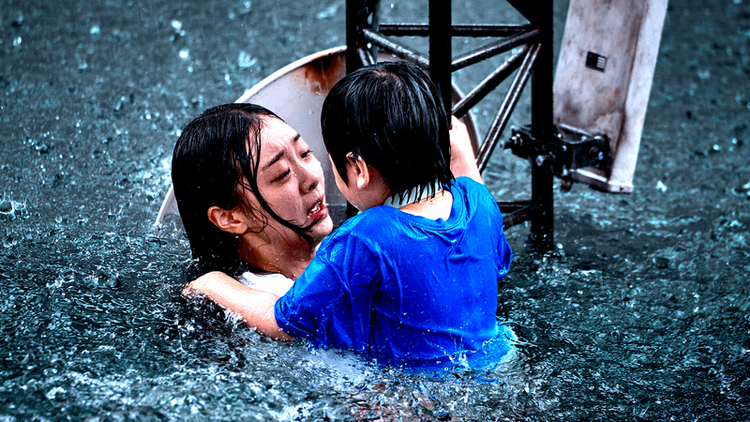 |
| Join AWE, Gender and Disaster Australia and special guests for an engaging online discussion exploring the intersections of gender, disasters and popular culture. |
| Exploring the recent Korean film The Great Flood, our Rising tides: What films reveal about resilience, gender and disaster webinar will bring together experts from social advocacy, disaster science, the built environment, and urban resilience. Speakers include: |
| Dr Margaret Moreton, CEO, Gender and Disaster Australia |
| Hyun Lee, Korean-Australian writer and director |
| Dr Melanie Robson, Lecturer, Australian Film Television and Radio School |
| Dr Cheryl Anderson, Senior Advisor, Hazard Risk Management, NEMA (NZ) |
| Shweta Dakin, Manager Resilient Communities, GenWest |
| The Great Flood is currently streaming on Netflix. |
| Book now! |
| Women in the sector |
|
 Brandy Alger is a passionate leader in disaster resilience whose work bridges research, policy, and practice. A PhD candidate at the University of Canterbury, Brandy’s research focuses on participatory design and preparedness with older adults, iwi partners, and rural communities — embedding equity and cultural respect into emergency management. With over eight years as a volunteer and leader with Civil Defence and New Zealand Red Cross, she brings extensive operational experience from floods, earthquakes, fires, and the Christchurch terrorist attack. Brandy embodies the AWE values of relationships, trust, and diversity, creating lasting, systemic change across Aotearoa. Brandy received a 2026 AWE Research Policy and Practice Awardin recognition of her work that has bridged research, policy and practical application.
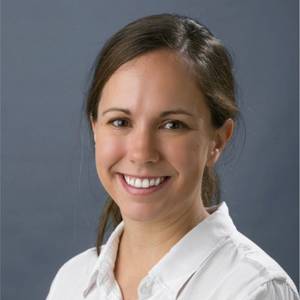 Lauren Banting is a highly respected leader in Victoria’s emergency management sector, whose work at IGEM has strengthened accountability, transparency, and continuous improvement. In 2024, she led the development of IGEM’s Assurance and Continuous Improvement Priorities 2025–2029, and has directed high-profile inquiries, including into the 2019/20 Victorian Bushfires and major public health emergencies, producing constructive, actionable recommendations. Known for her strategic insight, collaborative leadership, and ability to communicate complex issues clearly, Lauren has made a significant and lasting contribution to Victoria’s emergency management capability and culture.Lauren received a 2026 AWE Policy, Planning and Capability Development Award in recognition of her key role in developing policies, plans and capabilities.
 Peta Birch has been a dedicated SES volunteer since 2008, making an extraordinary contribution to learning, training, and operational excellence. A teacher by profession, she brings her passion for education into SES as Group Training Coordinator for 120 members, designing annual training programs tailored to organisational needs and member growth. She has coached and supported SES Disaster Rescue Challenge teams, including Queensland’s first national champions, and is a trusted member of Incident Management Teams during cyclone and flood responses. Known for her professionalism, mentorship, and adaptability, Peta empowers others to step into leadership, embodying AWE values through service, inclusivity, and resilience. Peta received a 2026 AWE Volunteer Service Award in recognition of her committed contribution to local emergency management.
| Women in the sector showcases the diversity, skills, and experience of women in the vast range of paid and volunteer roles that make up the emergency and disaster resilience sector.
This year we’re featuring the recipients of the 2025 AWE Recognition Awards. |
AWE Australia |
| AWE CBD Melbourne breakfast catch-Up
8.00am Tuesday 10 March 2026 Brunetti Oro on Flinders Lane, 250 Flinders Lane, Melbourne Pop the date in your calendar so you don’t forget! Connect with other AWE Network members for a relaxed coffee/ breakfast. We’ll also be meeting on the first Tuesday in April, June, August, October in 2026. Please email us if you’d like to connect! Details and more dates here AWE Port Melbourne catch-up 8.30am Monday 30 March Rock, Paper, Scissors, 36/138 Rouse St, Port Melbourne Details and more dates here. AWE Yarra Ranges breakfast AWE members living or working in or around the Yarra Ranges and outer eastern suburbs of Melbourne are invited to come along to breakfast at Hutch & Co, 251 Main Street Lilydale at 8.30am on the third Wednesday of each month. Email Amanda at [email protected] to let us know if you can make it. |
| We encourage members to organise networking and other events in their local areas. |
| For more information, and support, please email us at [email protected] |
AWE New Zealand |
| February wrap-up
We kicked off 2026 in style with Taco Tuesday at Rosie’s Cantina for a fantastic first AWE NZ catch-up for the year. It was wonderful to see both familiar and new faces around the table, reconnecting, sharing stories, and setting the tone for another strong year of connection and collaboration in Wellington. Thank you to everyone who joined us and helped make it such a warm and energising start to the year! NEW! Christchurch coffee meet-up 7.30am Wednesday 18 March Joe’s Garage on Colombo Street. Join us for a relaxed meet up with the Australasian Women in Emergencies Network right here in Ōtautahi Christchurch! Whether you’re a seasoned emergency management professional, a volunteer giving your time to your community or an ally who champions women in the sector, you are warmly welcome. This is a wonderful opportunity to connect face-to-face with like-minded women and allies, share experiences, and grow your network in a friendly, low-key setting. Come along and meet the incredible people working and volunteering across our emergencies community. We will meet at Joe’s Garage on Colombo street in the CBD from 7:30 am, come and go as you please. All are welcome, we’d love to see you there! https://events.humanitix.com/christchurch-awe-breakfast-meet-up Wellington March breakfast catch-up 9:30am–10:30am Thursday 19 March Chapman-Taylors, 113 Molesworth Street, Thorndon, Wellington Join us for a relaxed coffee and lively chat with fellow AWE members. RSVPs aren’t required, but we’d love to know if you’re coming so we can ensure there’s enough space: head to our bookings page Wellington’s Monthly 2026 Catch Ups or email us at [email protected] We look forward to seeing you there! |
|
|
| If you have any specific news or information to share with other AWE NZ members, or queries, please forward them to AWE NZ Chapter Lead Amy. |
Women in Emergencies for Climate Action |
| Connect, learn and lead on climate action |
| The Women in Emergencies for Climate Action meetings are a valuable opportunity to connect with others working in climate‑related roles, or with a strong interest in climate action. These sessions create space to share experiences, learn from one another, and build a supportive professional network across the sector. Every meeting offers new insights and perspectives, drawing on the collective knowledge of AWE members. Whether you’re looking to deepen your understanding, share your work, or simply connect with like‑minded professionals, we encourage you to join us. Meetings are held on the third Wednesday of each month. |
| Register here or email Amanda for more information. |
Professional Development |
| Gender, disasters and inclusion: Why it matters |
| Disasters affect people differently, with gender norms shaping how women, men and LGBTIQA+ people experience emergencies. Lessons in Disaster, FREE training from Gender and Disaster Australia, builds practical capability for emergency management professionals by exploring how gender expectations influence risk, decision‑making, access to services and recovery outcomes. |
| Available across Australia. Visit www.genderanddisaster.com.au/training/, or email Melesa Osbornefor more information. |
 |
Sector News & Resources |
| AI in disasters: This article introduces a new study on the role of Artificial Intelligence in disaster management; while this article warns New Zealanders about the danger of AI and misinformation.
Animal-considerate preparedness: This blog states that in every effort to reduce risk, animals should be a part of the solution, not an afterthought. Children and disasters: This Project Library collates links to 100+ resources to support you and your organisations when working with infants, children, young people, families, and communities in the context of disasters. Community flood resilience: This journal article explores using community knowledge for a baseline understanding of the concept of community flood resilience and potential community flood resilience factors in the UK. Danger of floodwaters: New research shows that fast‑moving floodwater, even when shallow, can knock people off their feet or sweep away vehicles, yet most public flood maps still focus mainly on water depth rather than flow speed. Disaster leadership: A new literature review: Women and LGBTQIA+ disaster leadership in high income countries examines a decade of global literature on women’s and LGBTQIA+ leadership in disasters across high-income countries. Displacement and safety: This research article explores how the Northern Rivers floods in 2022 affected displaced people’s bonds to their place, homes and communities. Firefighters and rural resilience: This research article explores how firefighters, social networks and reciprocal relations mobilize resources in rural communities for emergency preparedness in Norway. Gender and Disaster: Our friends and allies at Gender and Disaster Australia have launched a new newsletter, and a new In Conversation webinar series. Gender pay gap: KPMG’s new report, She’s Price(d)less: The economics of the gender pay gaphighlights that despite progress, Australia’s gender pay gap persists and identifies the key drivers and actionable insights to close the gap. Girls on Fire: Check out this news clip featuring the Girls on Fire program which recruits young women from Year 10 onwards to pursue careers or volunteer roles in fire and emergency services. Grief in the workplace: Grief First Aid helps prevent silence, supports the psychosocial safety of grieving employees, and helps organisations respond with confidence and care. Heatwave: This article explains how heatwaves, such as those in Australia’s southeast this summer, have a clear link to atmospheric phenomenon. Landslides: This article questions why New Zealand keeps accepting the human and financial cost of landslide risks. Lessons for NZ: This article shares four key lessons from this year’s extreme weather events, while this article explores how and why NZ has had so many emergency declarations in 2026. People at greater risk: A new framework to provide collaborative support for people at increased risk in emergencies has been launched in South Australia. PhD opportunities: Check out these two PhD opportunities to join a research initiative investigating how personal networks shape how people prepare for and respond to compound natural hazard risks. Rural readiness: Facing 12 times higher disaster risks than city dwellers, this article explains that psychological readiness for rural Australians can be just as vital as emergency kits. Schools and disaster recovery: This article argues that the role of schools in disaster response and recovery has been under-recognised and under-appreciated for far too long, while this article explores a school-based framework for post-disaster child mental health support. Social media in disasters: This paper presents a comprehensive review of 250 studies that examine how social media data have been used to manage disasters triggered by natural hazards. World Disasters Report: The IFRC is launching the 2025 World Disasters Report tomorrow, while the World Risk Report 2025 ranks countries on their risk of experiencing disaster or vulnerability to extreme natural events.
|

|
|
| If you’ve got news or resources you would like shared in the AWE Newsletter, please email us the details by the end of the calendar month in time for publication the first week of each month. |
Sector Events |
|
|
The Australasian Women in Emergencies Network (AWE) promotes, supports and recognises the contributions of women in emergency management and disaster resilience Visit www.awenetwork.org.au. Email us at [email protected] Follow us on Facebook, LinkedIn, X/Twitter, YouTube and Instagram To become an AWE member, please visit www.awenetwork.org.au/join-us
AWE acknowledges the Traditional Custodians of Country throughout Australia and recognises their continuing connection to land, waters and culture. We pay our respects to their Elders past and present. AWE acknowledges the injustices committed against First Nations people and recognise Sovereignty has never been ceded. Australian land always was, and always will be Aboriginal land. AWE recognises the unique role of Māori, and embraces the Treaty of Waitangi (Te Tiriti), NZ’s foundation document confirming Māori as tangata whenua, the first people of Aotearoa, New Zealand. It recognises that they have tino rangatiratanga (absolute authority or sovereignty) over their lands, resources, and taonga (treasured possessions) while embracing the three guiding principles of the Te Tiriti – partnership, participation and protection. AWE acknowledges, values and celebrates the rich diversity and intersectionality of our members, workplaces and communities. We are committed to creating an inclusive, equitable, respectful and safe network, where people of all identities, cultures, backgrounds, abilities and experiences feel they belong and are empowered and able to strive and thrive. |
|
Newsletter Contributions: The AWE Newsletter is published monthly and is distributed to more than 2500 AWE members across Australasia. For contributions, queries or to let us know what you would like to see in the newsletter, please email us at [email protected]. Check out past Newsletters here. |
|
|
|
|