AWE Newsletter December 2025 |
| This is our final AWE Newsletter for 2025 — and what an incredible year it’s been! |
| As we head toward the end of the year, we want to thank every one of our members for your energy, commitment, and passion for building a stronger, more |
| inclusive emergency management sector. |
| We’ll be back in February next year with fresh opportunities, inspiring stories, and another big year of connection, learning, and impact. In the meantime we wish all members a safe and happy holiday season. |
AWE News |
| AWE 2025 by the numbers: A year of influence, connection and growth |
| What an extraordinary year it has been for AWE! Together, we’ve strengthened our network, expanded opportunities for women across the sector, and continued to champion inclusion, leadership and community in every corner of emergency management. Here’s a snapshot of what we’ve achieved together: |
|
| These numbers tell a powerful story: AWE is growing, thriving, and making a real difference for women in emergencies. Thank you for being part of this remarkable community—your passion, leadership and generosity are what make AWE unstoppable. To hear more about 2025 and what’s in store for 2026, come along to the AWE AGM on Tuesday 9 December. Book here. |
|
|
| International Day of Persons with Disabilities 3 December |
| At AWE, we recognise and celebrate the strengths, skills, and contributions of people with disability every day – and especially on 3 December, the International Day of Persons with Disabilities. |
| AWE member and Associate Professor Michelle Villeneuve from the University of Sydney Impact Centre for Disability Research and Policy has been leading work in disability inclusive and person-centred emergency management in Australia for more than a decade. Michelle says, “Removing barriers and building capability in disaster risk reduction requires us to put people and their support needs at the centre. By listening to and learning from the lived experiences of people with disability, we can co-design inclusive strategies that reduce risk and build resilience. This requires genuine collaboration – where governments, emergency services, community organisations, and people with disability work together to ensure no one is left behind before, during, or after disasters. Together, we can create safer, more inclusive communities that support everyone to thrive.” Check out Michelle’s latest journal article here. |
|
 Michelle Villeneuve
 Renee Santos
| Renee Santos, Senior Emergency Management Advisor at WREMO, and disability advocate, is dedicated to enhancing resilience through a community-led approach to community response and by fostering disability-inclusive emergency management practices. Renee says, “Personal preparedness can’t exist in isolation, it depends on systemic preparedness too. True readiness means building accessibility into every part of our systems, not as an afterthought during a disaster, but well before one happens. Although we (disabled people) deserve perfection, don’t make it the enemy of progress. Start by choosing one achievable action that improves the outcomes for disabled people, before, during, or after a disaster and build from there.” |
| We encourage all AWE members to consider disability inclusion in your area of emergency management and disaster resilience. This means not only building on the strengths and abilities of people with disability, but also working to remove barriers to safety, wellbeing, and participation before, during, and after disasters. Together, we can create systems and communities where everyone is included, safe, and supported. |
|
|
| International Volunteer Day 5 December |
|

| We also want to give a special shout out to the following AWEsome volunteers who have gone above and beyond in their contributions to AWE in 2025. This includes: |
|
 |
| From left: Amy, Jennifer, Madi, Kylie and Brianna |
 |
| From left: Kath, Sally, Ruth, Farah and Kate |
|
|
| Congratulations! |
| AWE is proud to celebrate the recent appointments of five exceptional women whose leadership continues to shape and strengthen our sector: |
|
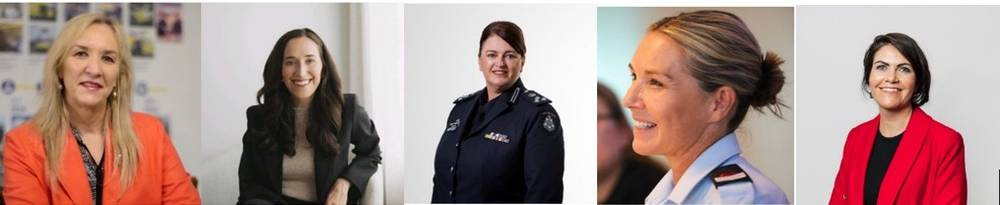 |
| From left Katarina Carroll, Hannah Wandel, Therese Fitzgerald, Melinda McDonald and Kate Fitzgerald |
| These appointments are a powerful recognition of their expertise, dedication, and long-standing commitment to community safety. Their leadership demonstrates the impact women bring to emergency management at the highest levels, and AWE warmly congratulates them on these significant achievements. |
| AWE Mentoring Program |
| AWE Mentoring Program – Call for Mentors & Mentees! |
| Applications for the next AWE Mentoring Program open soon, and this is your chance to get involved. Whether you’re brand new to emergency management or have decades of wisdom to share, we believe every woman has something valuable to offer. Mentoring isn’t about being the “expert”; it’s about connection, support, and shared learning. |
| Our Mentoring Program pairs women across the sector to help build confidence, capability, and community. Many past participants have told us their mentoring partnership became one of the most rewarding parts of their professional journey. |
| The Mentoring Subcommittee has been busy reviewing feedback, refining the program, and getting ready for a strong 2026 intake. This round, we’re focusing even more on understanding what mentees are looking for and matching them with mentors who can best support their goals and interests. |
| Whether you want to develop your leadership, navigate a new role, grow your networks, or support someone else’s journey, we’d love you to get involved. |
| Head to the AWE website to learn more and sign up as a mentor or mentee: www.awenetwork.org.au/mentoring |
| It only takes a few minutes to apply and you never know whose life (including your own) you might change. Let’s continue lifting each other up! |
| AWE Member Profiles |
|
 Jenny has been a dedicated SES volunteer since the 2022 Gympie floods, where she played a crucial role in sandbagging, evacuations, and coordinating aerial supply drops. Seeing firsthand how unprepared residents were, she has since worked tirelessly to raise community awareness about disaster preparedness. Jenny organised an Emergency Services Family Fun Day to engage residents and educate them about resilience, working closely with Gympie Council to expand these efforts. A mentor to young SES members, Jenny’s leadership, commitment, and advocacy continue to strengthen community preparedness, inspiring more women to volunteer and support disaster resilience initiatives. Jenny received a 2024 AWE Promoting Volunteerism Recognition Award.
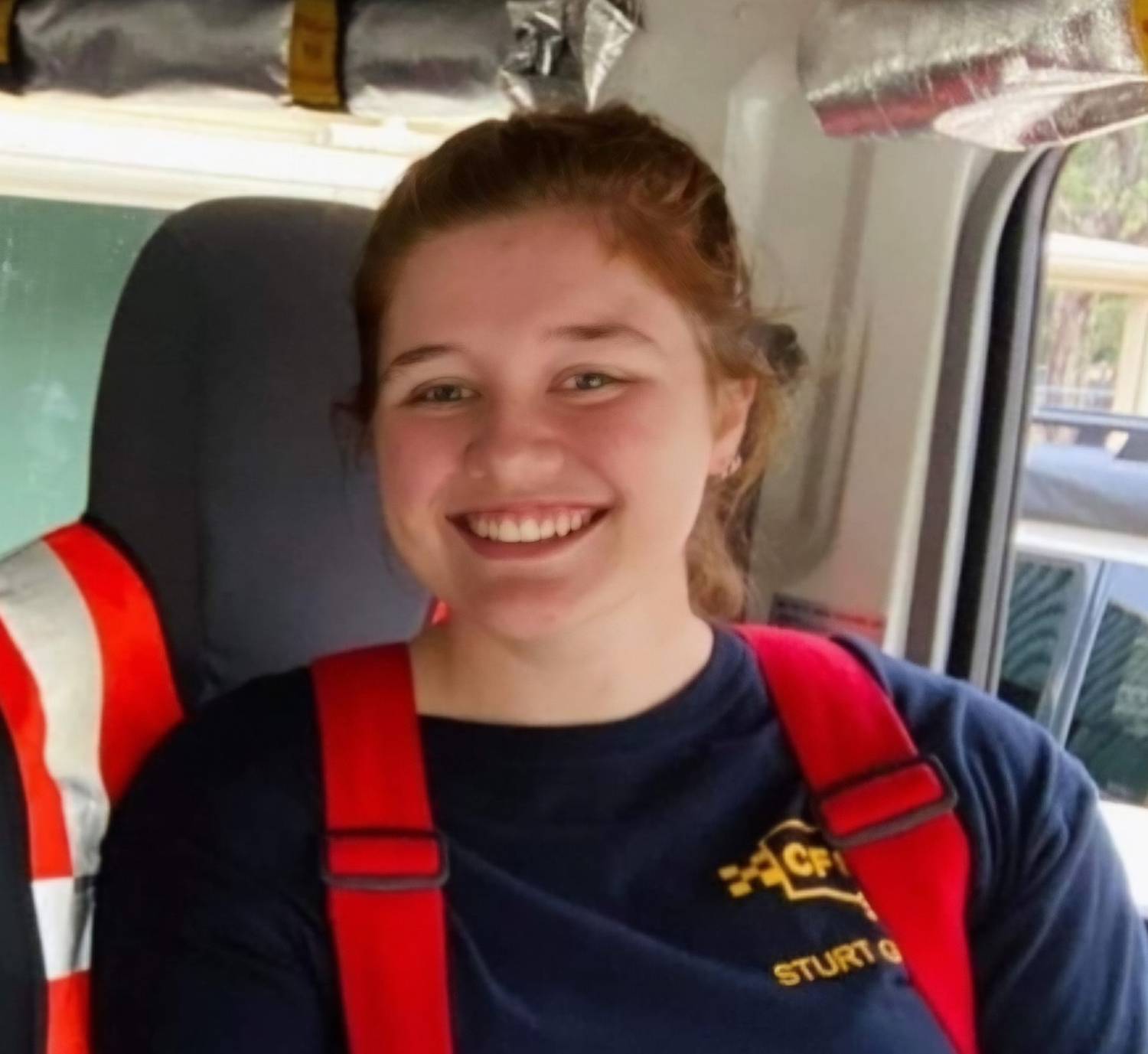 Tahlia plays a vital but often unseen role in SA Country Fire Service’s Incident Management training, ensuring realistic and effective learning experiences for participants. As a key member of the Back of House team, she simulates real-world emergency environments, manages communications, and supports trainees in developing critical skills. Her deep knowledge of CFS emergency protocols, adaptability, and commitment to improvement make her an invaluable asset. Tahlia also mentors new members, fostering a supportive and skilled team. Her dedication, hard work, and passion for training directly enhance the operational capacity of the organisation and deserve recognition. Tahlia received a 2024 AWE Knowledge Development & Advancement Recognition Award.
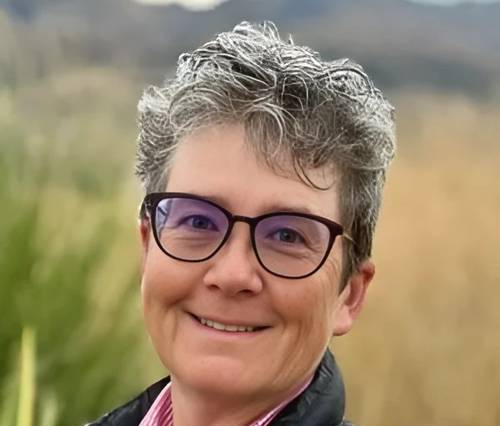 Malin, a former UK medical doctor with 25 years of experience, has dedicated the past decade to voluntary outdoor medicine education and advocacy in New Zealand. She develops policies, teaches, and presents on avalanche rescue, mountain safety, PTSD, and hypothermic cardiac arrest, ensuring responders and volunteers can operate safely. As co-founder of the New Zealand Society for Mountain Medicine and Vice President of the International Society for Mountain Medicine, she has shaped wilderness medicine education. Malin also advises numerous emergency organisations, mentors extensively, and is a key figure in disaster response, making an invaluable impact on the sector. Malin received a 2024 AWE Knowledge Development & Advancement Recognition Award.
| AWE Member Profiles showcase the diversity, skills, and experience of our members. They also highlight the vast range of roles, paid and volunteer, that make up the emergency and disaster resilience sector. We’ve been featuring recipients of the 2024 AWE Recognition Awards in this year’s newsletter and will be featuring the recipients of the 2025 AWE Recognition Awards next year. |
AWE Australian Chapters |
| AWE VIC
AWE Melbourne CBD catch-up Brunetti Oro on Flinders Lane, 250 Flinders Lane, Melbourne Connect with other AWE Network members for a relaxed coffee/ breakfast on the first Tuesday of February, April, June, August, October in 2026. See you on 3 Feb 2026. Please email us if you’d like to connect! Details and more dates here.
AWE Port Melbourne catch-up Rock, Paper, Scissors, 36/138 Rouse St, Port Melbourne Details and more dates here. AWE Traralgon catch-up Want to be part of establishing the newest AWE Breakfast Catch-up in Traralgon? Watch this space for details of the 2026 catch-ups in the heart of Victoria’s Gippsland region. For more information, contact Narelle here. AWE Yarra Ranges breakfast AWE members living or working in or around the Yarra Ranges and outer eastern suburbs of Melbourne are invited to come along to breakfast at Hutch & Co, 251 Main Street Lilydale at 8.30am on the third Wednesday of each month. Email Amanda here to let her know if you can make it. |
| Want to arrange a catch-up in your area? Email us and we’ll help you get organised! |
AWE New Zealand |
| December update from AWE NZ
As we wind down 2025, a big thank you to everyone who joined us throughout the year – in person, online, early mornings, and late evenings. Your energy, generosity, and commitment to supporting one another continues to make AWE and the New Zealand chapter a strong and connected community. End-of-year gathering We’ve made a small change to our December plans. Instead of holding the usual Wellington breakfast, we’re wrapping up the year with a pre-holiday get-together to celebrate the year, connect informally, and see everyone off into the summer break. 4:30 pm – 6:30 pm Wednesday 17 December Bin44, Queens Wharf This is a relaxed, drop-in style gathering — feel free to pop by for a drink, a chat, or just to say hi as we close out 2025 together. We’re shaping our Wellington calendar for 2026, and we’d love your input. Take 1-2 minutes to help us shape the format, timing, and locations for next year’s regular gatherings. Event Recap: Reflecting on Self-Care in Emergencies and Disasters Our final speaker event of the year brought together members from across the emergency management and resilience sectors on 25 November to discuss the crucial and often overlooked topic of self-care in high-pressure environments. Clinical psychologist Dr. Maureen Mooney led a thoughtful and practical session focused on:
Participants around the room and around the screen shared experiences, challenges, and insights around sustaining themselves while supporting others – an important conversation with end-of-year workloads and as we head into the summer break. Watch the recording: https://youtu.be/296plzJWfQk |
| If you have any specific news or information to share with other AWE NZ members, or queries, please forward them to AWE NZ Chapter Lead Amy. |
AWE Pacific |
| AWE Pacific is taking a break due to capacity limitations. Please contact us with any queries. |
Women in Emergencies for Climate Action |
|
Professional Development |
| Self-care in the holiday season |
|
| Whether it’s switching off for a while, spending time with loved ones, getting outdoors, or simply slowing down, self-care isn’t a luxury — it’s essential for sustaining the incredible work you do. Be gentle with yourself this season, and remember that taking care of you helps you return refreshed and ready for the year ahead. Watch the recent AWE NZ Reflecting on Self-Care in Emergencies and Disasters webinar here for insights and ideas. |
Sector News & Resources |
| AFAC and ADRC abstracts now open: Abstracts are now open for AFAC26 and the Australian Disaster Resilience Conference 2026, both of which will be held in Melbourne.
Children and young people in disasters: River of emotions explores provides fresh and unique insights into disasters through the eyes of the younger generation and is suitable for parents, schools youth organisations and researchers. Democracy after disaster: Check out this podcast series which explore concepts, structures and practical processes that offer ways to improve our approach to recovery. Disaster resilience dashboard: A new resilience rating dashboard, bringing together data on housing availability, school attendance rates, the number of tradespeople and access to local spaces to calculate an areas area’s resilience, will extend to Tasmania, Victoria, WA, and the NT after a NSW pilot. Drought resilience program: FRRR and the Australian Rural Leadership Foundation (ARLF) have launched the $36 million Future Drought Fund’s Communities Program, focused on building the social capital, wellbeing and connectedness of communities across remote, rural and regional Australia to help them to prepare for and build social resilience to drought and our changing climate. Heat and homelessness: This new Churchill Trust report investigates strategies to support people experiencing homelessness during extreme heat events. Impacts of hurricanes: These articles explore the extensive mental health impacts and psychological toll of hurricanes. Measuring social capital and social infrastructure: A new tool aims to measure social capital – the ties between people and community – and social infrastructure – the spaces and places where people connect. Māori communities and disaster: This news article summarises how and why Māori communities are disproportionately impacted by disasters. NZ Emergency Management short course: This week-long short course will explain how organisations can prepare for, respond to, and recover from a disaster. Psychologists and disasters: This article explores the ethical considerations for psychologists working with communities in the aftermath of disaster. Pregnancy and disaster: This webpage offers information and advice on what to do before and during a disaster if you are pregnant. Rethinking emergency management for a changing climate: Check out this blog on how we can shift from reactive to proactive disaster management in the face of a changing climate. Resilient Australia Awards: The national 2025 Resilient Australia Awards were announced last week, with a range of great First Nations projects and programs amongst the winners. Summer survey: Sweltering Cities’ Summer Survey aims to gain a deep understanding of how people across Australia are impacted by the heat, and what they want done to protect themselves, their families and their communities. Open all summer! Women firefighters: A new book, Trailblazing: the history of female firefighters in Fire and Rescue NSW, celebrates the 40th anniversary of female firefighters joining FRNSW by telling the stories of the first female permanent firefighters, retained firefighters, officers, aerial operators, rescue operators and many other firsts up to the present day.
|

|
|
| If you’ve got news or resources you would like shared in the AWE Newsletter, please email us the details by the end of the calendar month in time for publication the first week of each month. |
Sector Events |
2026
|
| If you are attending any of these major events and would like to meet up with other AWE members, please email us at [email protected] and we’ll help you to connect. |
About AWE |
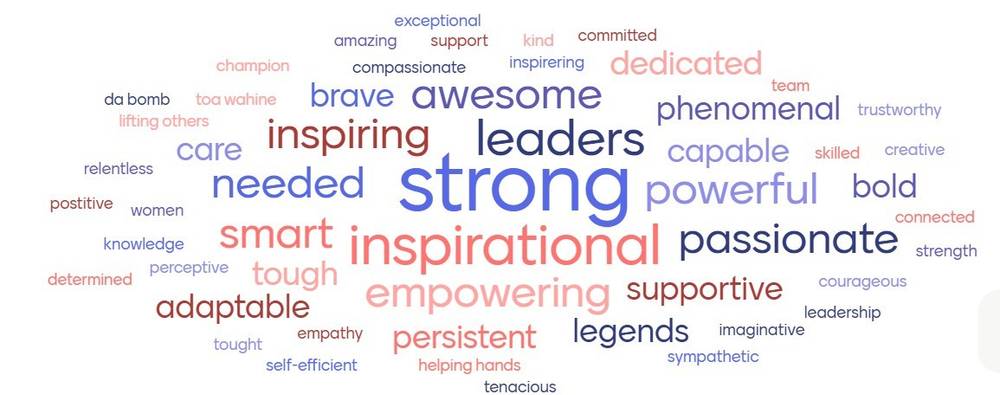 |
| The Australasian Women in Emergencies Network (AWE) promotes, supports and recognises the contributions of women in emergency management and disaster resilience
Visit www.awenetwork.org.au. Email us at [email protected] Follow us on Facebook, LinkedIn, X/Twitter, YouTube and Instagram To become an AWE member, please visit www.awenetwork.org.au/join-us
AWE acknowledges the Traditional Custodians of Country throughout Australia and recognises their continuing connection to land, waters and culture. We pay our respects to their Elders past and present. AWE acknowledges the injustices committed against First Nations people and recognise Sovereignty has never been ceded. Australian land always was, and always will be Aboriginal land. AWE recognises the unique role of Māori, and embraces the Treaty of Waitangi (Te Tiriti), NZ’s foundation document confirming Māori as tangata whenua, the first people of Aotearoa, New Zealand. It recognises that they have tino rangatiratanga (absolute authority or sovereignty) over their lands, resources, and taonga (treasured possessions) while embracing the three guiding principles of the Te Tiriti – partnership, participation and protection. AWE acknowledges, values and celebrates the rich diversity and intersectionality of our members, workplaces and communities. We are committed to creating an inclusive, equitable, respectful and safe network, where people of all identities, cultures, backgrounds, abilities and experiences feel they belong and are empowered and able to strive and thrive. |
|
Newsletter Contributions: The AWE Newsletter is published monthly and is distributed to more than 2400 AWE members across Australasia. For contributions, queries or to let us know what you would like to see in the newsletter, please email us at [email protected]. Check out past Newsletters here. |
|
|