| Australasian Women in Emergencies Network |
| Recognising, promoting and supporting women in emergencies |
| AWE at EMC2026 – call for volunteers |
| The Emergency Management Conference (EMC) 2026 will bring together agencies and stakeholders to showcase and challenge progress in building the capacity, capability, cohesion, and trust needed for a stronger, more resilient future for all Victorians. |
| AWE will be proudly hosting a stall at EMC 2026, and we’re looking for enthusiastic volunteers to join us. As a volunteer, you’ll help share AWE’s work, connect with sector partners, and be part of an important conversation about the future of emergency management in Victoria. Email us at [email protected] for details. |
| The Philippa Woolf Scholarships attracted a record 67 nominations this year, highlighting the passion and commitment of AWE members to grow their skills, knowledge, and leadership capacity. We’ll announce the successful recipients in the June AWE Newsletter. |
We’re excited to announce that the following two scholarships are now open:
• Person‑Centred Emergency Planning
• Foundations in Disaster Recovery
Scroll down to learn more about each opportunity and find out how to apply. |
|
|
|
| Historic first for the Australian Army |
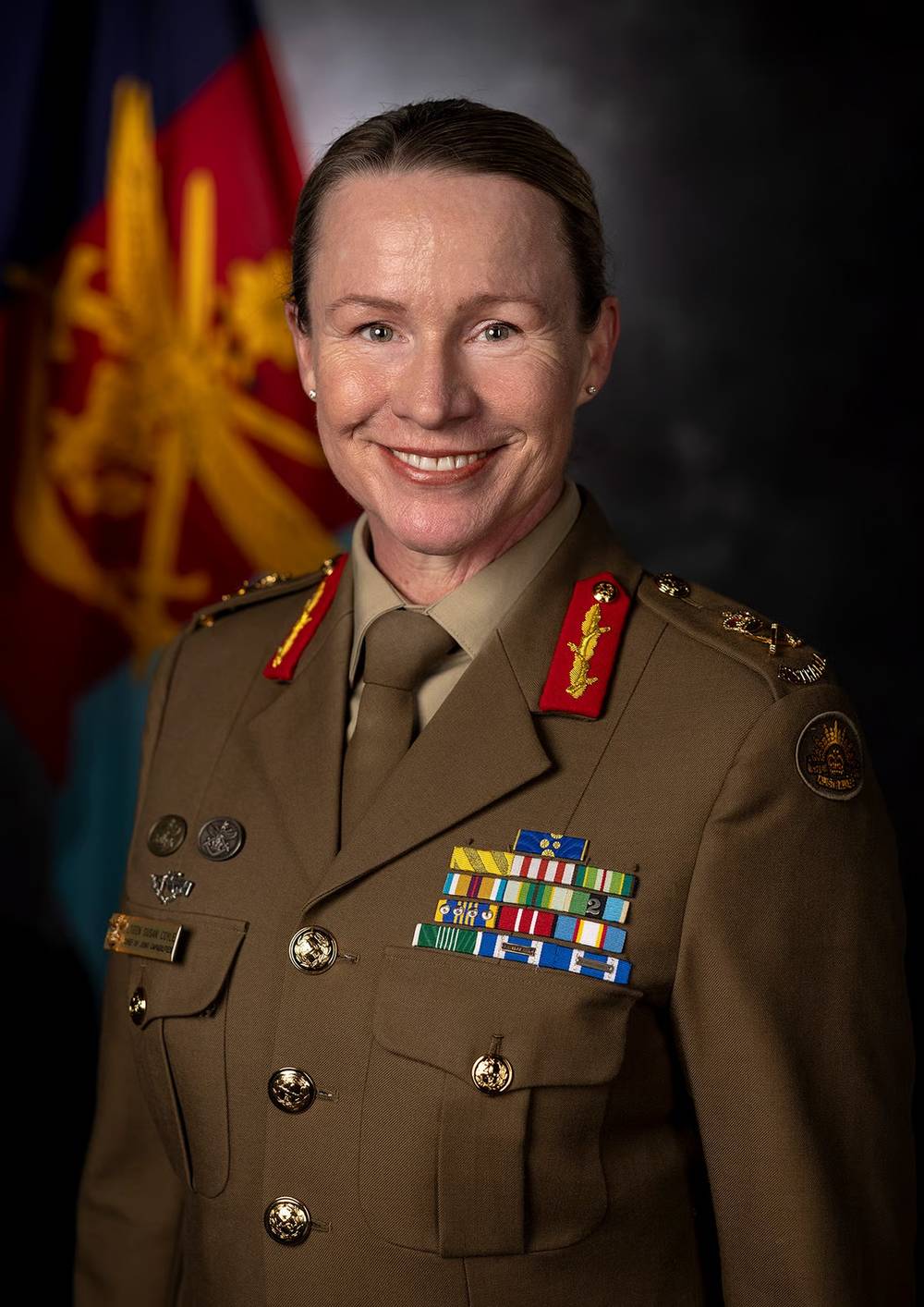
| Lieutenant General Susan Coyle AM, CSC, DSM has been appointed Australia’s new Chief of Army, marking a historic milestone as the first woman to lead the Australian Army in its 125‑year history. The appointment represents a significant step forward for gender representation at the most senior levels of military leadership and is widely recognised as a powerful signal of progress and change, and Lieutenant General Coyle’s leadership is expected to inspire greater participation and career progression for women across the Army. AWE warmly congratulates Lieutenant General Susan Coyle on this landmark appointment and wishes her every success as she takes on this pivotal role. |
|
|
|
| Care, gender analysis and women’s leadership in disasters |
|
|
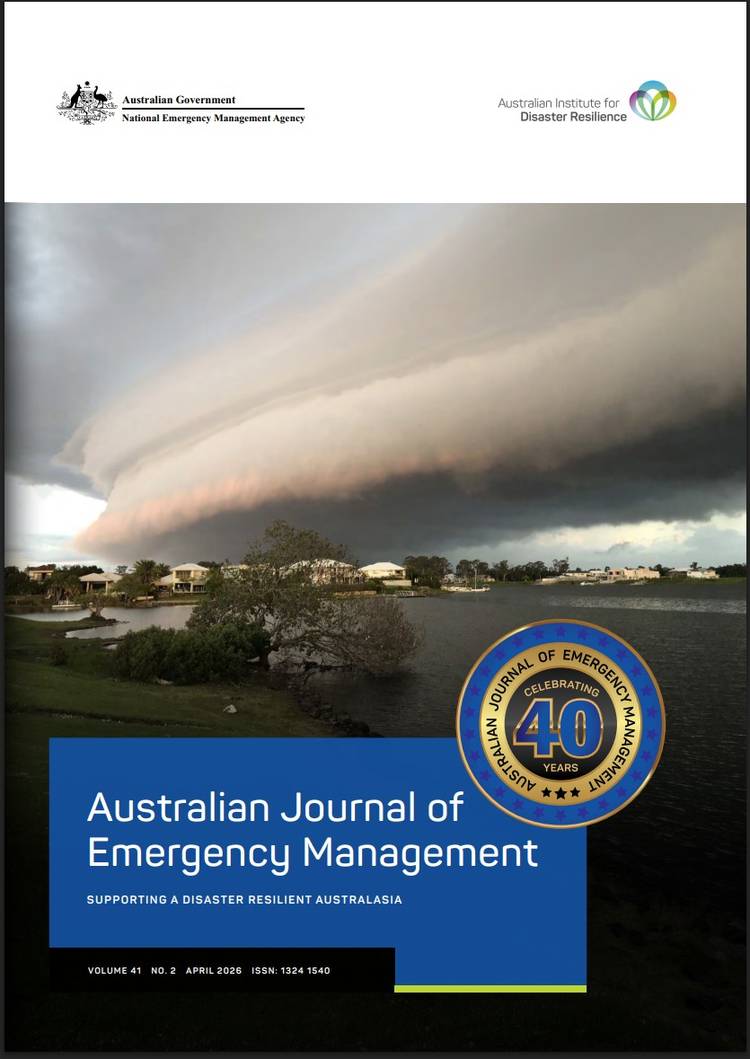
| Gendered fault lines: unpaid care and employment in disasters in Aotearoa New Zealand, published in the latest edition of the Australian Journal of Emergency Management, highlights a persistent disconnect: disaster risk management and gender equity frameworks continue to operate in parallel rather than as an integrated system. This gender‑blind gap systematically deprioritises unpaid care, amplifying women’s employment and income risks in the aftermath of disasters. The findings reinforce a familiar reality—resilience is shaped not only by the hazard itself, but by who can keep working and who is expected to absorb unpaid care responsibilities when systems are under strain. |
|
|
| As disasters become more frequent and complex, AWE calls for embedding care, gender analysis and women’s leadership into preparedness and recovery as foundational to safer, fairer outcomes for communities and the workforce. |
| Melbourne Declaration for Gender Equality |
| The recent Women Deliver 2026 Conference saw more than 6500 delegates gather to exchange ideas, strengthen partnerships and drive collective action for gender equity, across a range of areas including in disaster risk reduction and climate change. The Melbourne Declaration for Gender Equality, launched at the conference, calls for a world where States respect, protect, and fulfill human rights; feminist movements and civil society have the resources, space, and legitimacy to hold States accountable; and the wider gender equality ecosystem aligns its resources and influence. For AWE , the Declaration is a timely reminder that gender equality in emergencies depends on practical accountability—protecting rights, resourcing locally and gender-led action, and ensuring decisions and funding are aligned with those most affected. |
| IDAHOBIT Day
17 May
 AWE is a proud ally of the LGBTI+ community and is committed to fostering a culture where everyone feels welcome, respected, and safe to be themselves. We recognise and celebrate the diversity of sexual orientations, gender identities, and gender expressions within AWE and beyond. By promoting understanding, respect, and equality, we aim to create a network where everyone can participate fully and confidently. This IDAHOBIT Day we pledge our commitment to LGBTI+ inclusion – this means actively listening, challenging discrimination, supporting initiatives that promote visibility and belonging, and ensuring we reflect our shared values of fairness and respect.Inclusion is an commitment woven into how we listen, act, and stand alongside one another every day. AWE is a proud ally of the LGBTI+ community and is committed to fostering a culture where everyone feels welcome, respected, and safe to be themselves. We recognise and celebrate the diversity of sexual orientations, gender identities, and gender expressions within AWE and beyond. By promoting understanding, respect, and equality, we aim to create a network where everyone can participate fully and confidently. This IDAHOBIT Day we pledge our commitment to LGBTI+ inclusion – this means actively listening, challenging discrimination, supporting initiatives that promote visibility and belonging, and ensuring we reflect our shared values of fairness and respect.Inclusion is an commitment woven into how we listen, act, and stand alongside one another every day.
|
|
| National Volunteer Week 18-24 May
AWE recognises the extraordinary contribution volunteers make to emergency management and disaster resilience, especially during Australia’s National Volunteer Week. More than 250,000 people volunteer with fire and emergency services, supported by a further 200,000 volunteers working with over 1,000 registered emergency and relief charities. Each play a critical role before, during and after emergencies by helping communities prepare, respond effectively, and recover in the aftermath. With their skills, dedication and passion, volunteers work to strengthen community resilience, support those in need and help save lives. AWE proudly extends its thanks and deep appreciation to all volunteers who help keep our communities safe and connected. |
|
| National Reconciliation Week 27 May-3 June
AWE recognises National Reconciliation Week as an important moment for all Australians to reaffirm our commitment to reconciliation through meaningful and sustained action. The 2026 theme, All In, reminds us that reconciliation is not passive work, nor the responsibility of First Nations peoples alone – it requires ongoing commitment from everyone. For AWE and our sector, being All In means acknowledging the enduring cultural knowledge of First Nations peoples, particularly in caring for Country. AWE remains committed to strong partnerships and to supporting First Nations‑led resilience and preparedness before, during and after disasters, and commit to building trust, sharing responsibility and embedding reconciliation into our work now and into the future. |
|
|
| Person-Centred Emergency Preparedness Scholarships |
| The online, self‑paced course takes around 20 hours over five weeks, with flexible study periods available in 2026. |
| AWE members who live in a rural or remote area and have lived experience of disability or are informal carers are eligible to apply. |
| Apply now to build your confidence and capability before the next emergency. |
| Applications close 29 May. |
| Foundations in Disaster Recovery Round 2 |
| AWE is pleased to open Round 2 of the Foundations in Disaster Recovery Scholarship. This scholarship provides one AWE member with fully funded access to this highly regarded professional development opportunity in 2026. |
| The University of Melbourne Foundations in Disaster Recovery course is designed for practitioners, volunteers and community members working (or planning to work) in post‑disaster settings. Participants will strengthen their understanding of disaster recovery principles and build confidence in using evidence‑based approaches to support recovery practice. |
| Course dates July 20 – August 21, 2026 |
| All AWE members are eligible to apply. |
| Apply now and take the next step in your disaster recovery practice. |
| 2026 AWE Mentoring Program update |
| The AWE Mentoring Program is well and truly underway, with 19 mentoring pairs now matched and actively working toward their development goals. It’s exciting to see participants already building connections, sharing knowledge, and taking meaningful steps in their mentoring journeys. |
| We’re looking forward to the upcoming Goal Setting Workshop in late May, which will provide participants with practical tools and support to help shape a successful and rewarding mentoring experience. |
| Women in the Sector showcases the diversity, skills, and leadership of women in the vast range
of paid and volunteer roles that make up the emergency and disaster resilience sector.
This year we’re featuring the recipients of the 2025 AWE Recognition Awards. |
| Hannah Brackley
Wellington City Council
Hannah Brackley is the cornerstone of emergency management at Wellington City Council, transforming its EOC from ad hoc to highly capable through meticulous planning, strong relationships, and volunteer support. She has led with calm professionalism during high-pressure events, including coordinating WCC’s Nelson Tasman deployment and delivering clear, trusted messaging during the July tsunami advisory. Adaptable and collaborative, she has maintained capability through organisational change, onboarding new managers while driving continuous improvement. Embodying the AWE values of trust, integrity, and relationships, Hannah exemplifies excellence in practice—ensuring Council, its people, and volunteers are better prepared, connected, and resilient. Hannah received an AWE Local Government Emergency Management Award in recognition of her work that has significantly enhanced emergency management practices. |
|
| Sarah Dean
Tablelands Regional Council
Sarah Dean has dedicated over 15 years to strengthening disaster resilience across Far North Queensland’s Tablelands. From leading recovery after Cyclone Yasi to pioneering Community All-Hazard Disaster Plans and establishing Community Disaster Teams, Sarah has empowered communities with lasting preparedness and recovery systems. Her initiatives, including training over 800 locals in first aid, chainsaw use, and psychological first aid, have been nationally recognised. She has led through cyclones, floods, fires, the Ravenshoe Café explosion, and COVID, always ensuring community voices shape solutions. Trusted, collaborative, and tireless, Sarah exemplifies AWE values and has made a profound, enduring contribution to disaster resilience. Sarah received an AWE Outstanding Disaster Resilience Award in recognition of advancing of the overall disaster resilience of communities. |
|
| Liz Drumm
Local Govt Association of Queensland
Liz Drumm is an experienced disaster management practitioner with more than 15 years in recovery and response roles across government and the community sector, and is the current AWE Secretary. As Disaster Management Lead at the Local Government Association of Queensland, she has excelled in state-level coordination during Tropical Cyclones Jasper and Kirrily and the western Queensland floods, ensuring timely escalation of local issues and effective recovery support. Liz also serves as a dedicated Red Cross volunteer, embodying collaboration, respect, and community focus. By building strong connections across government and non-government partners, Liz ensures disaster operations strengthen resilience and deliver meaningful outcomes for Queensland communities. Liz received an AWE Local Government Emergency Management Award in recognition of her work that has significantly enhanced local government practices. |
|
|
| AWE Melbourne CBD breakfast catch-up
8.00am Tuesday 2 June
Brunetti Oro on Flinders Lane, 250 Flinders Lane, Melbourne
Pop the date in your calendar so you don’t forget!
Connect with other AWE Network members for a relaxed coffee/ breakfast on the first Tuesday of June, August, October in 2026. Please email us if you’d like to connect!
Details and more dates here
AWE Port Melbourne catch-up
8.30am Monday 25 May
Rock, Paper, Scissors, 36/138 Rouse St, Port Melbourne
Come along for a gentle coffee/breakfast and informal chat with other AWE members. Parking is easy, so pop in on your way to work. Upcoming catch ups include the last Monday of May, July, September and November. RSVP to Kathy at [email protected], or just decide to join us on the morning. All welcome!
Details and more dates here.
AWE Yarra Ranges breakfast
AWE members living or working in or around the Yarra Ranges and outer eastern suburbs of Melbourne are invited to come along to breakfast at Hutch & Co, 251 Main Street Lilydale at 8.30am on the third Wednesday of each month.
Email Amanda at [email protected] to let us know if you can make it.
AWE Albury-Wodonga meetup
12-1pm Monday 1 June
Location to be announced
Are you in the Albury-Wodonga area and work or volunteer in emergency management? Come along for a coffee/lunch and informal meetup with fellow AWE members, colleagues and friends. Everyone welcome!
Bookings here. |
New Zealand Sign Language Week 4-10 May
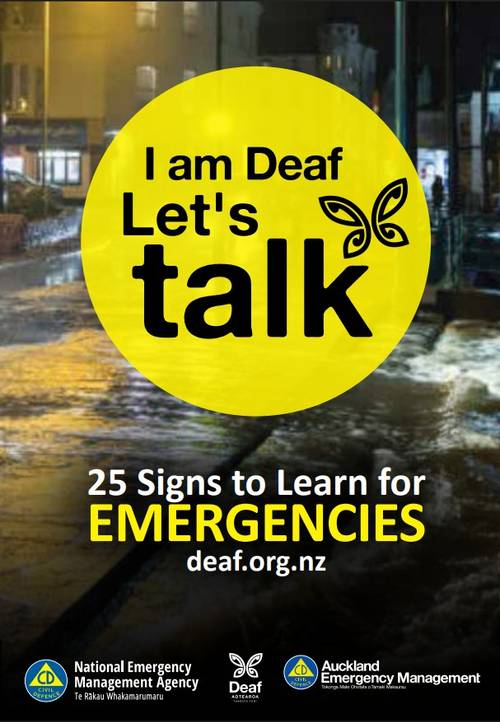
| Everyone has the right to accessible information and support during an emergency. Accessible communication is critical to the success of emergency and disaster mitigation, planning and preparedness, and to response, relief, and recovery. AWE recognises that New Zealand Sign Language (NZSL) is the preferred language of many deaf, deafblind and hard of hearing people across Aotearoa. This New Zealand Sign Language Week we thank all those NZSL interpreters for ensuring our messages get through to everyone. And don’t forget to check out the I am Deaf, Let’s Talk, 25 Signs to Learn for Emergencies resource! |
|
|
AWE Wellington’s April Catch-Up
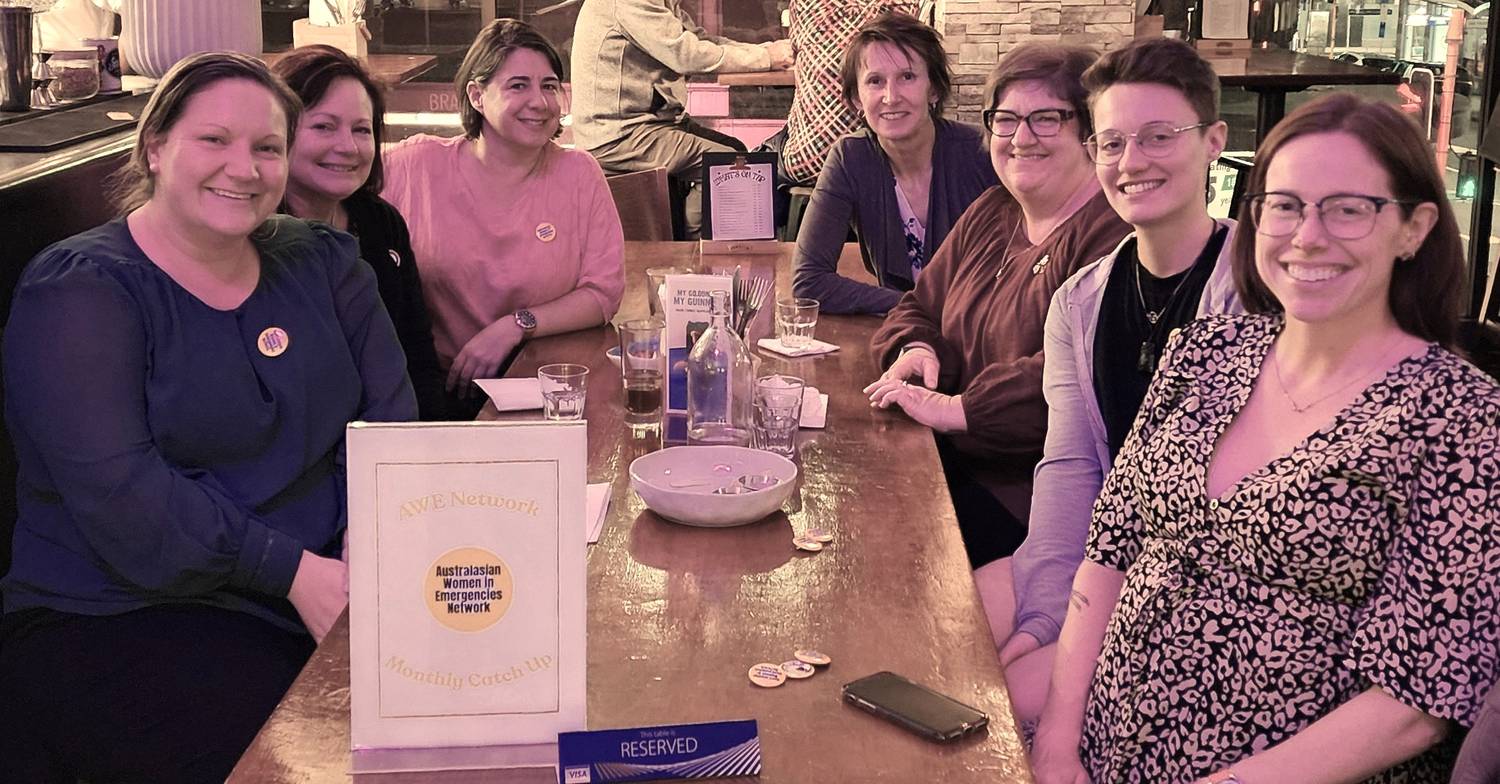
| Ten AWE members and allies joined together at D4 on Featherston for our rescheduled April Wellington catch-up, dropping in across the evening. It was a relaxed and welcoming opportunity to connect, share stories, and strengthen our local network. See you at the next catch-up on 14 May! |
|
|
AWE Christchurch coffee meet-up
7-9am Wednesday 13 May
Joe’s Garage, Colombo St, Christchurch
Join us for a relaxed meet up with the Australasian Women in Emergencies network right here in Ōtautahi Christchurch!
This is a wonderful opportunity to connect face-to-face with like-minded women and allies, share experiences, and grow your network in a friendly, low-key setting. Come along and meet the incredible people working and volunteering across our emergencies community.
We will meet at Joe’s Garage on Colombo street in the CBD from 7:00 am, come and go as you please. https://events.humanitix.com/may-christchurch-awe-coffee-meet-up
All are welcome, we’d love to see you there!
AWE Wellington cuppa and catch-up at Kaiota
9.30-10.30am Thursday 14 May
MFAT Building, 55 Molesworth St, Thorndon, Wellington
Join us for a catch up and enjoy a lively chat and coffee with fellow AWE members. Booking is not required but please let us know if you are coming to make sure we reserve enough space. https://events.humanitix.com/wellington-2026-catch-ups
See you there!
Call for volunteers: Help lead AWE NZ events!
We are looking for enthusiastic members to help shape and drive our AWE activities across Aotearoa over the coming months. As our network grows, we want to ensure we continue providing great opportunities for connection and professional development.
To keep our momentum going, we are seeking volunteers willing to plan and host local activities. This is a fantastic way to give back to the sector, build your profile, and help support women in emergencies.
We are specifically looking for interest in:
Auckland and Wellington: Individuals to take the lead on organising local networking sessions or catch-ups.
Regional NZ: Anyone interested in hosting a site visit, guest speaker or coffee morning in their local area.
If you’re interested in helping the NZ chapter thrive or have a great idea for an event, we’d love to hear from you. Please email us by 22 May at [email protected] to express your interest or to learn more about what’s involved. |
If you have any specific news or information to share with other AWE NZ members, or queries,
please forward them to AWE NZ Chapter Lead Amy. |
Women in Emergencies for Climate Action
|
|
|
| Connect, learn and lead on climate action
The Women in Emergencies for Climate Action meetings are a valuable opportunity to connect with others working in climate‑related roles, or with a strong interest in climate action. These sessions create space to share experiences, learn from one another, and build a supportive professional network across the sector. |
|
|
| Every meeting offers new insights and perspectives, drawing on the collective knowledge of AWE members. Whether you’re looking to deepen your understanding, share your work, or simply connect with like‑minded professionals, we encourage you to join us. Meetings are held on the third Wednesday of each month. Register here or email Amanda for more information. |
| Best practice skills in disaster resilience |
| As disasters increasingly impact communities, staying up to date with international, best‑practice knowledge can help build your knowledge and skills. To support disaster management and humanitarian professionals, the Global Disaster Preparedness Center (GDPC) has curated a range of free, high‑quality online courses. |
| Delivered by leading organisations including the International Federation of Red Cross, the United Nations, World Bank, Start Network and edX, courses cover areas including early warning and early action, disaster risk reduction, disaster risk financing, and climate change adaptation and resilience. |
| These courses are an excellent opportunity to strengthen your skills and invest in your professional development – and all at no cost. Check them out today! |
Aged care and disasters: This new report investigates the human and social impacts of disasters on aged care facilities and their residents.
Animals and earthquakes: This article explores whether animals can sense earthquakes before they happen.
Bushfire evacuation research: Researchers in Melbourne are calling for people to participate in a virtual reality study to help understand how evacuees make travel decisions, improve the safety of bushfire-prone communities, strengthen evacuation planning strategies, and enhance public safety messaging.
Community-led enablers: This research article explores how community-led actions are driven by a broad range of ‘local knowledges’, based in and organised through long-standing networks and organisations.
Community resilience capabilities: This new report outlines the capabilities that communities need to strengthen their community’s resilience to disasters now and in the future.
Disability Inclusive Emergency Management: A new report provides a national snapshot of Disability Inclusive Emergency Management (DIEM) maturity and provides direction and tools for ongoing growth and development.
Disaster clusters: This article states that fires, storms, floods and heatwaves are no longer neatly separated by season or geography, but are more often occurring together or affecting different parts of the country at the same time..
Emotional intelligence and climate change: This article argues that emotional resilience – the social and emotional skills to build and sustain good mental health and wellbeing in the face of challenges – should be part of climate change education.
Extreme rainfall: New research points to a future for New Zealand where extreme rainfall is both more intense and more frequent across much of the country.
Financial counselling and disasters: This upcoming, free webinar will explore how financial counsellors can support communities impacted by disasters.
Forests and floods: New research indicates that forests and other nature-based initiatives can address flooding and complement traditional infrastructure while providing a range of social and ecological benefits.
Formal and informal response and recovery: New research using network modelling explores how formal and informal organising evolve, interact, complement and potentially come into tension with each other in response and recovery from compounding disasters.
How people respond to earthquake: This research article examines how people respond to earthquake shaking, focusing on the role of social influence in shaping behaviour, using CCTV footage from the 2016 Kaikōura earthquake in New Zealand.
Indigenous inequity in disasters: This article states that Indigenous Australians continue to be hardest hit after disasters and we must include addressing the inequitable treatment of Indigenous communities in times of disaster.
Lessons in resilience: A new report shares lessons from supported resilience, just adaptation and health equity for community service and health organisations to draw upon.
Logging and bushfire: New research shows that regrowth after logging burns more intensely than mature forests.
National Situation Room: This case study outlines what it’s like to work in the Australian National Situation Room.
Resilient Australia Awards: The Resilient Australia Awards, celebrating and promoting initiatives that build whole of community resilience to disasters and emergencies around Australia, are now open.
Spatial injustice and flood: A new report explores how Victorians experiencing poverty and disadvantage were more likely to live in the hardest hit areas in the 2022 floods, and how this inequity was exacerbated after the floods.
Universities and community resilience: This new report outlines how universities can work with their local communities to build resilience.
Volunteering guide: Check out the recently released Emergency Management Sustainable Volunteering Blueprint Practitioner Guide, a practical companion to the Emergency Management Sustainable Volunteering Blueprint Strategic Framework.
|
|
| What we’re watching: Buried: The 1982 Alpine Meadows Avalanche
This documentary tells the story of the Californian Alpine Meadows avalanche in 1982 and the subsequent rescue and recovery efforts. It includes archival footage plus interviews with many of the people who were there. Now streaming on Netflix. |
|
|
| If you’ve got news or resources you would like shared in the AWE Newsletter, please email us the details by the end of the calendar month in time for publication the first week of each month. |
| 19-21 May
10-12 June
10 June
14-15 July
27-28 July
18-21 August
15-16 Oct |
|
|
|
The Australasian Women in Emergencies Network (AWE) promotes, supports and recognises the contributions of women in emergency management and disaster resilience
Visit www.awenetwork.org.au. Email us at [email protected]
Follow us on Facebook, LinkedIn, X/Twitter, YouTube and Instagram
To become an AWE member, please visit www.awenetwork.org.au/join-us
AWE acknowledges the Traditional Custodians of Country throughout Australia and recognises their continuing connection to land, waters and culture. We pay our respects to their Elders past and present. AWE acknowledges the injustices committed against First Nations people and recognise Sovereignty has never been ceded. Australian land always was, and always will be Aboriginal land.
AWE recognises the unique role of Māori, and embraces the Treaty of Waitangi (Te Tiriti), NZ’s foundation document confirming Māori as tangata whenua, the first people of Aotearoa, New Zealand. It recognises that they have tino rangatiratanga (absolute authority or sovereignty) over their lands, resources, and taonga (treasured possessions) while embracing the three guiding principles of the Te Tiriti – partnership, participation and protection.
AWE acknowledges, values and celebrates the rich diversity and intersectionality of our members, workplaces and communities. We are committed to creating an inclusive, equitable, respectful and safe network, where people of all identities, cultures, backgrounds, abilities and experiences feel they belong and are empowered and able to strive and thrive. |
Newsletter Contributions: The AWE Newsletter is published monthly and is distributed to more than 2500 AWE members across Australasia. For contributions, queries or to let us know what you would like to see in the newsletter, please email us at [email protected]. |
|
|

 AWE is a proud ally of the LGBTI+ community and is committed to fostering a culture where everyone feels welcome, respected, and safe to be themselves. We recognise and celebrate the diversity of sexual orientations, gender identities, and gender expressions within AWE and beyond. By promoting understanding, respect, and equality, we aim to create a network where everyone can participate fully and confidently. This
  AWE recognises the extraordinary contribution volunteers make to emergency management and disaster resilience, especially during Australia’s
  AWE recognises
 Hannah Brackley is the cornerstone of emergency management at Wellington City Council, transforming its EOC from ad hoc to highly capable through meticulous planning, strong relationships, and volunteer support. She has led with calm professionalism during high-pressure events, including coordinating WCC’s Nelson Tasman deployment and delivering clear, trusted messaging during the July tsunami advisory. Adaptable and collaborative, she has maintained capability through organisational change, onboarding new managers while driving continuous improvement. Embodying the AWE values of trust, integrity, and relationships, Hannah exemplifies excellence in practice—ensuring Council, its people, and volunteers are better prepared, connected, and resilient. Hannah received an AWE Local Government Emergency Management Award in recognition of her work that has significantly enhanced emergency management practices.
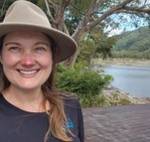 Liz Drumm is an experienced disaster management practitioner with more than 15 years in recovery and response roles across government and the community sector, and is the current AWE Secretary. As Disaster Management Lead at the Local Government Association of Queensland, she has excelled in state-level coordination during Tropical Cyclones Jasper and Kirrily and the western Queensland floods, ensuring timely escalation of local issues and effective recovery support. Liz also serves as a dedicated Red Cross volunteer, embodying collaboration, respect, and community focus. By building strong connections across government and non-government partners, Liz ensures disaster operations strengthen resilience and deliver meaningful outcomes for Queensland communities. Liz received an AWE Local Government Emergency Management Award in recognition of her work that has significantly enhanced local government practices.